
Culture · February 6, 2026
Why Paulownia Is Called the "Phoenix Tree"
Paulownia is revered in Japanese and Chinese tradition as the Phoenix Tree, a symbol of renewal and honor whose regenerative nature inspires World Tree's sustainable forestry mission.
By Benjamin Takahashi-Willmore
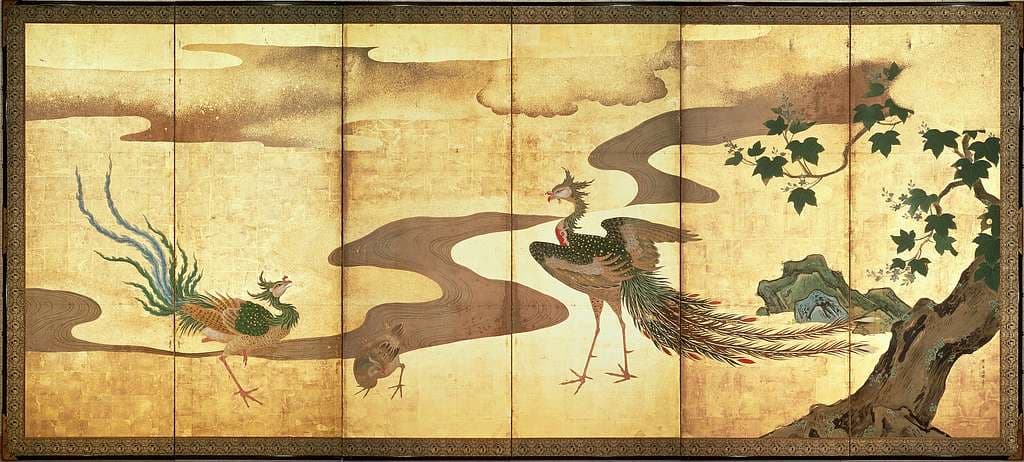
Around the world, paulownia is admired for its remarkable qualities, but in Japanese and Chinese traditions, paulownia isn't just admired for its beauty; it's revered as the "Phoenix Tree," a powerful symbol of renewal, honor, and good fortune. In Japan, this correspondence is deeply woven into art and myth: the legendary phoenix (known as ho-o in Japanese, and if you're a Nintendo fan, you might have heard of the Pokémon Ho-oh) is believed to only alight on a paulownia tree, imbuing the tree, and by extension its surroundings, with peace and auspicious renewal. Its frequent pairing with the Phoenix in art highlights this special bond.
Historically, the map of the "Phoenix Tree" runs deeper than legend. In China, it was common to plant a paulownia when a child was born and later harvest it as a dowry chest for a daughter at marriage, a physical embodiment of her growth and future security. In Japan, this evolved into vernacular tradition: families would plant the tree upon a daughter's birth, and upon marriage, use its prized wood to make a chest, sometimes called a tansu, designed to preserve items like kimonos in perfect condition. Its lightweight and humidity-resistant nature made it ideal for this purpose.
Paulownia's Artistic Importance in Asia
Beyond personal customs, the paulownia holds national weight in both costume design and state symbolism. The stylized paulownia crest, known as kiri-mon, has adorned the Prime Minister's office and appears on the Order of the Rising Sun, Japan's prestigious national honor awarded to distinguished civil servants. Within the Order of the Rising Sun, the highest honor is called the Order of the Paulownia Flowers, one of the most prestigious awards in Japan with only 24 recipients since its reestablishment in 2003. In Japan, the paulownia tree is even featured on some 500 yen coins.
Similarly, in broader artistic traditions, the foliage motif of paulownia figures in decorative arts: on lacquerware, textiles, ceremonial military guards, and even traditional playing cards called Hanafuda, where the tree appears as a distinctive seasonal motif.
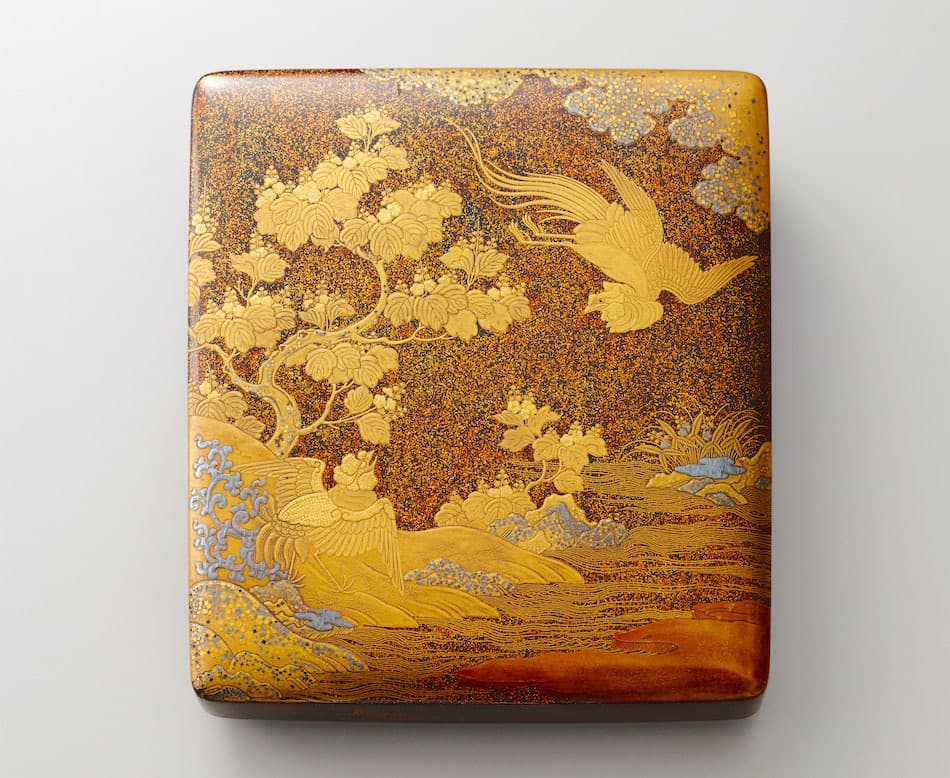
In summary, across centuries paulownia has symbolized multiple strands of human life: generational progression (via the dowry tradition), national prosperity (through cultural emblems), and mythic renewal (as the phoenix's favored perching site). Today, that layered symbolism enriches how we think about forestry: not just as resource management, but cultural and regenerative stewardship.
What the Phoenix Tree Means for Us
Just as the phoenix rises from the ashes, paulownia itself is a tree of renewal. Its ability to regenerate from its own roots after harvest means it can keep producing high-quality lumber year after year without replanting. For us, this makes it not just a tree, but a symbol of regeneration and sustainability in action.
When our farmers plant paulownia on degraded land, they are doing more than growing timber; they are restoring soil, capturing carbon, and creating opportunities for future generations. In a sense, they are bringing the "phoenix" into their own communities, fostering resilience in both the land and the people who depend on it.
In this way, the ancient story of the phoenix finds new life. By planting and cultivating paulownia, we aren't just looking back at its rich cultural roots; we're writing a new chapter in the story of renewal, one that stretches across borders, communities, and generations.